

Disclaimer: All images in this article were obtained from online sources.
For decades, Dunusa wasn’t just a market, it was the heartbeat of Johannesburg CBD. Nestled on De Villiers Street, between the bustling Park Station and the Noord taxi rank, the market was a kaleidoscope of colour, sound, and style. Piles of second-hand clothes, the shouts of vendors, and the shuffle of bargain hunters, it was a place where fashion met community in its rawest, most vibrant form.
In October 2025, the city pulled the plug. Dunusa, the iconic open-air thrift market that had become synonymous with Johannesburg’s street style and sustainable fashion, was officially shut down. The reason: illegal occupation of public space and city by-law violations. For the vendors, shoppers, and creatives who relied on it, the closure marked more than the end of a marketplace it rather signaled the loss of a cultural landmark.
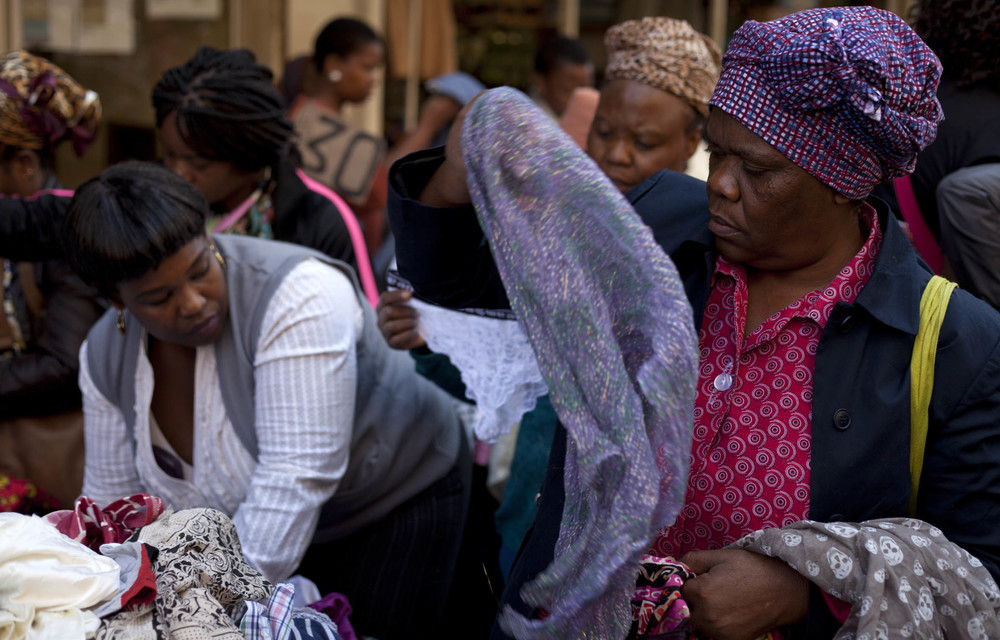
The name “Dunusa” comes from isiZulu, meaning “bend down and choose,” perfectly capturing the thrill of discovery the market offered. Shoppers would sift through mountains of clothing, hoping to uncover hidden gems: a vintage leather jacket, a rare pair of sneakers, or a timeless dress that would become the centerpiece of a new outfit.
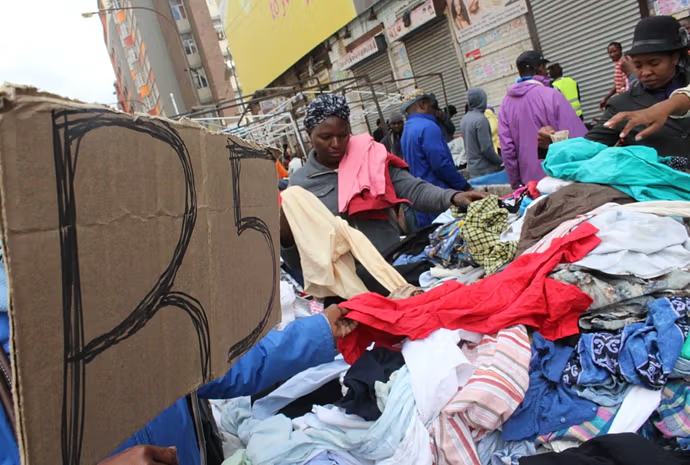
It was affordable fashion at its finest. Prices started as low as R2, making style accessible to students, young professionals, and everyday Joburgers. But beyond the bargains, Dunusa was a hub for sustainable living, a place where recycling clothes wasn’t just a practice, it was a lifestyle.
Besides the vendors, Dunusa created job opportunities and income for countless South Africans through reselling businesses. Many entrepreneurs relied on the market as a source of affordable stock, buying clothes in bulk to sell online, at pop-up stalls, or in smaller community markets. This ecosystem allowed informal businesses to thrive, turning Dunusa into more than just a shopping destination, it became a hub for small-scale entrepreneurship and economic empowerment.
With Dunusa gone, De Villiers Street has been repurposed for taxi operations. The vendors have been displaced, and shoppers are left to find their fashion fix elsewhere. While city officials cite legality and safety concerns, the loss resonates far beyond by-laws and zoning, it’s a cultural wound for Joburg’s creative scene.
The closure of Dunusa is a reminder that cities evolve, but cultural touchstones leave permanent marks. While the stalls may be gone, the market’s impact on Johannesburg’s fashion, economy, and street culture will be felt for years to come.
 Culture Club - Magazine