
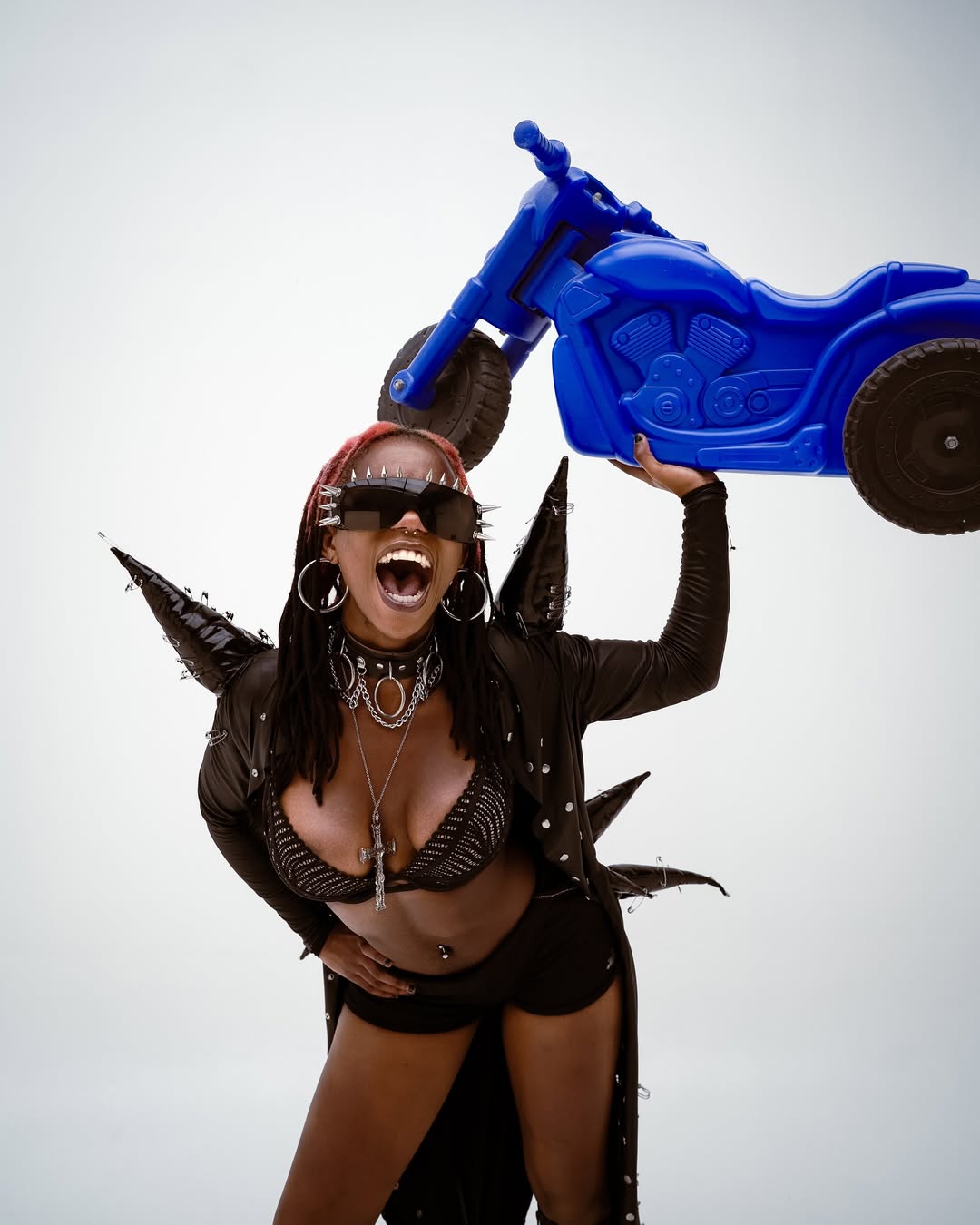
As we enter a month that honours the bravery and activism of South African women, we chat with GQOM DJ, owner of the liberating and boundary-breaking brand Soulchoked, and intersectional activist Onthatile Pooe — also known as Soulchoke. She first made her mark on the creative scene through Soulchoked, a clothing brand where she channels her sociopolitical and cultural consciousness into wearable statements. A year later, she stepped behind the decks, DJing with the intention of “celebrating and elevating the rich tapestry of Black musical traditions while fearlessly pushing the boundaries of contemporary electronic sounds,” she says.
Soulchoke is a reflection of the women who raised her. This appreciation extends to the women who have shaped her musically — from Babes Wodumo to Moonchild Sanelly — whose revolutionary artistry awakened her deep connection to electronic dance music culture.
We had the privilege of asking Soulchoke five questions — here’s how it went.
1. As a Gqom, Afro-tech DJ and radical creative, your sound and your politics are both unapologetically Black. How do these two worlds (music and activism) influence each other in your work?
I’ve made a commitment to sharing Black music mainly through GQOM sets but frequently flirting with afro house and afro tech. The global electronic music scene is dominated by white men but so many black people are responsible for the birth and evolution of these sounds and deserve acknowledgement and celebration and that’s what I intend to do with how I share music.
2. Your brand, Soulchoked, challenges social norms and reimagines how Black femmes take up space. What inspired you to use clothing as a tool for resistance?
I’ve always been really into clothes and expressing myself through how I dress and activism has been a big part of my life since I was inhigh school through Tiktok and working with multiple NGOs working to fight against social injustices. I wanted to make my opinions more tangible and clothing seemed like the perfect way to move those thoughts from my mind and the virtual world to the physical world to encourage people to interact with these topics directly.

3. We’re in a time when gender-based violence in South Africa continues to be a crisis. What role do you think creatives can play in confronting this violence and building safer futures for women?
Creatives play a huge role in this. We have the ability to express ourselves in really engaging ways whether it be directly or indirectly, art in all forms encourages people to think critically and try to see the world through various perspectives which is what we need to change the world, critical thought and a willingness to see the world from multiple perspectives.
4. What future are you building through your sound, your sets, and your brand? When people experience your work, what do you hope they feel or question?
I hope through interacting with Soulchoke the DJ and Soulchoked the clothing brand that people start to liberate themselves and take radical actions to change their lives and the lives of those around them. I hope to inspire people to embrace the rich African musical traditions that exist and begin to value these epistemologies more than we’ve valued western epistemologies in the past. Fully embracing our creations as the source and future of life.
5. If you were president, even just for a day, what’s the first thing you would change or challenge in this country?
If I were president of the country for a day, the first issue I would tackle is the lack of safety for women and girls. I’d do more than declare it as a state of emergency, the money that does exist but is being misappropriated would be reallocated into funding the amazing NGOs that exist to tackle the pandemic.
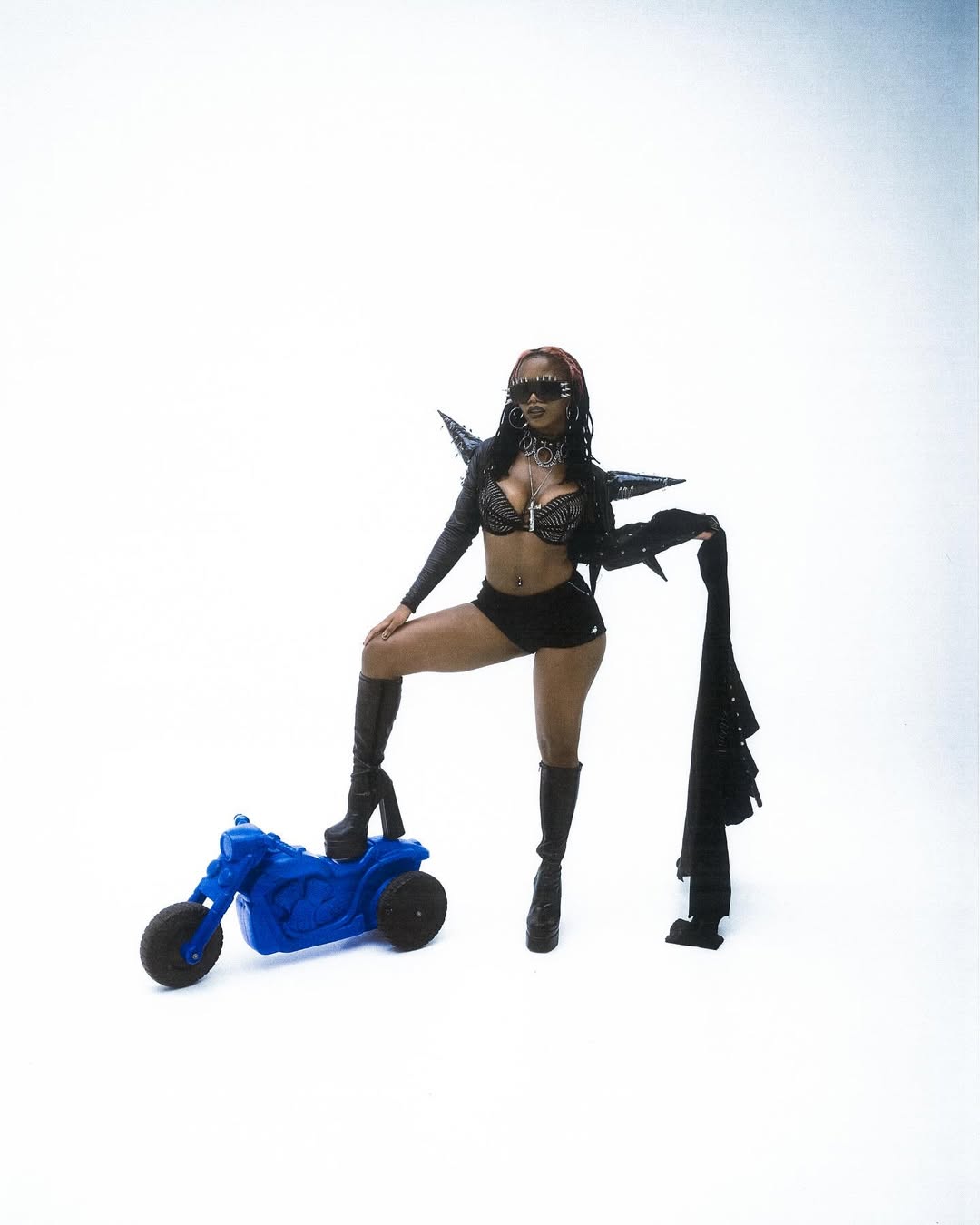
In South Africa’s constantly changing cultural scene, voices that challenge boundaries and foster liberation are vital. They reflect our society, amplify overlooked stories, and remind us that this is more than just art—it’s a powerful cultural and political movement.
Photography: Jeremy Pelser
 Culture Club - Magazine