

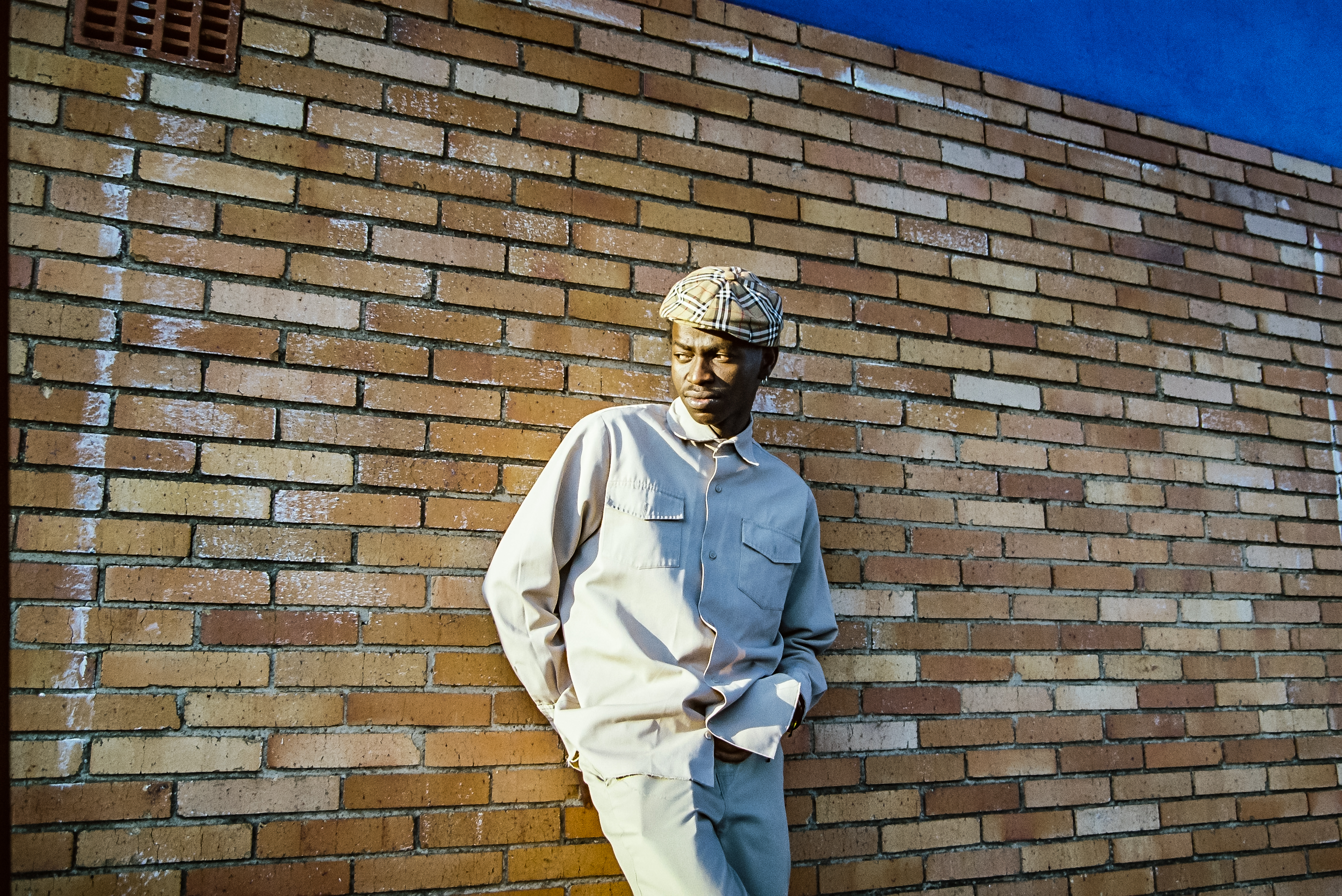
Rising through the ranks of South African hip-hop, uMntungwaMbulazi is carving out a lane of his own with a sound that stays true to his essence. His music is more than just an expression—it’s a statement of identity, culture, and ambition. With an unwavering commitment to authenticity, he blends lyrical storytelling with a distinct sonic signature, ensuring that every track carries a piece of who he is.
But beyond the music, he envisions something greater: a legacy that extends beyond the mic, positioning himself as both an artist and an innovator within the culture.
1. Can you share the story behind your stage name, uMntungwaMbulazi?
Umntungwambulazi comes from izithakazelo zami ( my clan praises) since my surname is Khumalo. I combined two clan names, uMntungwa and uMbulazi, into one. The main reason for doing this was to honor and acknowledge my ancestry. I also thought it sounded cool and unique, especially since we are in South Africa. When I created my Instagram account, it didn’t cause any issues, as many of my peers use English names.
2. Are there particular life experiences that have profoundly shaped your work?
Ukukhula emakhaya (growing up in a rural area) definitely shaped the way I see things, and it has influenced how I write my songs too. Being surrounded by creative people in my family—like my grandma, mom, uncles, cousins, and just everyone around me—really helped me learn how to express myself and choose my words carefully in my lyrics. Abaziyo bayazi—ngishaya ama-bombastic eSisZulu sometimes (Those who know, know—sometimes I drop big, expressive Zulu words). That rural vibe naturally found its way into my music, and I never looked back.
3. How do you approach collaboration with other artists or producers?
Collaboration can be tricky at times, but it’s a key part of growing as an artist and making a name for myself in the culture. I firmly believe that hip-hop is all about community, creativity, and respect. Kahle kahle, siwumndeni as’ abantu be Hip Hop (Actually, we are a family as the Hip Hop community).
When I work with abafwethu (my brothers/siblings), one thing I love is keeping things simple—no overthinking, just letting the creativity flow, yabona (you see). First things first: building a real connection. It’s not just about jumping into work; it’s about vibing with people, showing love online, and making sure we’re cool with each other. I always make sure to acknowledge everyone’s skills and what they bring to the table so we’re all on the same page.
I also like using social media channels to hype up our collaborations and show how we’re matching energies while staying open to feedback and engaging with the fans. My sound blends trap and boom-bap since my fanbase is pretty split between the two.

4. What obstacles have you encountered in your musical career, and how have you overcome them?
I’ve encountered a lot of obstacles—some I might not even remember because I don’t carry them too close to my heart. But some do stick with me. For instance, during my working process with producers and studio sessions, I give my all creatively. However, when we’re done and it’s time for me to get access to some of the music just to listen back, it sometimes becomes a challenge. Olova banokugodla izingoma (they tend to withhold the songs), and I always struggle to have full access to my own music.
Another struggle is imali ewu imali ayikho (money, oh money—it’s not always there), whether it’s for marketing, studio equipment, or even gig payments, which are often very low and inconsistent. And when it comes to streaming royalties, ayipheli lapho sisobishini (they don’t last, and we’re left in a tough spot).
5. How do you envision your music career progressing in the next few years?
There are many of us as the new wave in South African hip hop. What I do is strive to stay unique with my sound, delivering ubumina (my essence) as authentically as I know myself, you know? As I journey to build the uMntungwaMbulazi brand, I face obstacles—like staying relevant, especially as both an artist and a human without alienating my existing supporters while also gaining new ones along the way. Breaking out from a local scene to a national or even global audience takes serious effort and resources.
I see my music career evolving beyond just being a South African musician; I want to be a businessman and a cultural innovator, using my artistic skills to make an impact through music, especially iHip Hop (hip hop). In the next few years, I want to create a platform that allows me to express myself fully while building a team of like-minded individuals within and around the uMntungwaMbulazi brand—growing it into a thriving business and a successful brand
 Culture Club - Magazine