

Joy Richu, a multidisciplinary visual artist, designer, and cultural connector, grew up in Kenya, where she honed her storytelling skills on paper, on radio, and on stage. This rich background has significantly influenced her story-driven approach to illustration and design. Joy’s work bridges people and brands through compelling visual storytelling, celebrating creativity and culture on a global scale. With a prestigious clientele that includes Coca-Cola, The New York Times, Mastercard, and Diageo, she delivers impactful designs and narratives that resonate worldwide.
- As a multidisciplinary visual artist and designer, how do you feel working across various mediums and disciplines enhances your art?
Working across various mediums and disciplines enhances my art by allowing me to draw inspiration from a wide array of sources and techniques. Each medium offers a unique way of expressing ideas, and switching between them keeps my creativity invigorated and adaptable. For instance, the precision required in digital illustration can inform the meticulous details in my physical artworks, while the tactile experience of traditional media can add depth and texture to my digital pieces. This cross-pollination of skills and perspectives not only broadens my artistic vocabulary but also enables me to tackle projects with a more holistic and versatile approach, ultimately leading to richer and more compelling art.
- As a cultural connector, how do you approach the challenge of representing diverse cultures authentically in your artwork?
Authentic representation of diverse cultures in my artwork is paramount to me. I approach this challenge through deep research, continuous learning, and genuine engagement with the cultures I depict. It’s crucial to understand the nuances, history, and contemporary context of a culture to portray it accurately and respectfully. I often collaborate with cultural insiders and experts to ensure that my work is both informed and sensitive. Moreover, I strive to highlight the vibrancy and richness of these cultures, celebrating their uniqueness while also drawing connections to universal themes that can bridge cultural divides.
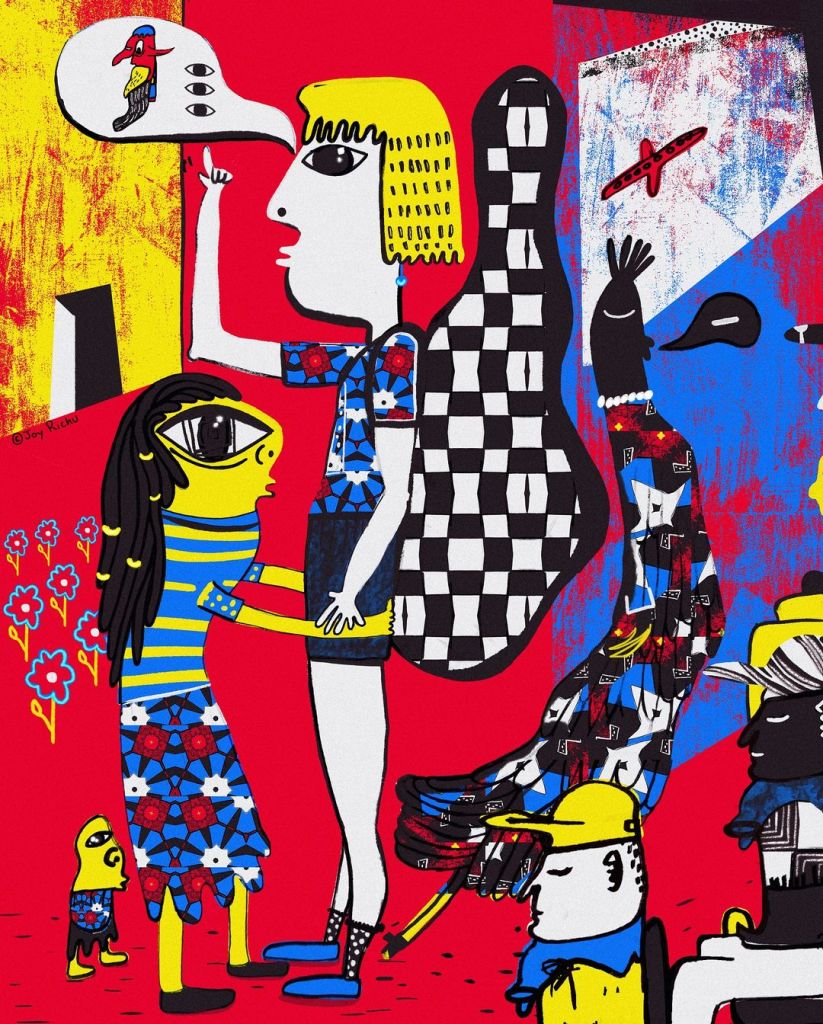
- In your experience, how has the relationship between art and branding evolved over the years, and what do you see as the future of this intersection?
The relationship between art and branding has evolved significantly, becoming more symbiotic and integrated. Initially, art in branding was often limited to aesthetics and decoration. However, today, art has become a crucial storytelling tool that adds depth and authenticity to brand narratives. Brands are increasingly recognizing the value of authentic, artist-driven content that resonates on an emotional level with their audiences. Looking ahead, I see this intersection becoming even more collaborative, with artists playing a central role in shaping brand identities. The future holds exciting possibilities where art and branding will continue to push boundaries, creating more meaningful and impactful connections with audiences.
- How do you balance commercial collaborations with maintaining your artistic integrity and vision?
Balancing commercial collaborations with artistic integrity is a delicate but essential process. It starts with selecting partners who respect and value my creative vision. Open and honest communication is key, ensuring that both parties have aligned goals and understand the creative boundaries. I approach each project with the mindset of finding a harmonious blend between my artistic voice and the brand’s objectives. By staying true to my core values and being selective about the projects I take on, I can maintain the integrity of my work while delivering results that both I and my clients are proud of.
- Looking ahead, what emerging trends or themes in the global cultural landscape are you most excited to explore through your work?
I’m particularly excited about the integration of technology in art, such as augmented reality (AR) and virtual reality (VR). These technologies offer new dimensions for creating immersive, interactive experiences that can engage audiences in unique ways. Additionally, the increasing focus on sustainability and environmental consciousness is a theme that resonates deeply with me. I’m eager to explore how art can not only highlight environmental issues but also inspire action and solutions. Moreover, the growing celebration of diverse voices and stories in the art world is incredibly inspiring. I’m passionate about using my platform to amplify underrepresented voices, exploring themes that celebrate cultural diversity and foster greater empathy and understanding. These trends not only enrich my artistic practice but also align with my commitment to creating meaningful, impactful art that addresses contemporary global issues.
 Culture Club - Magazine