
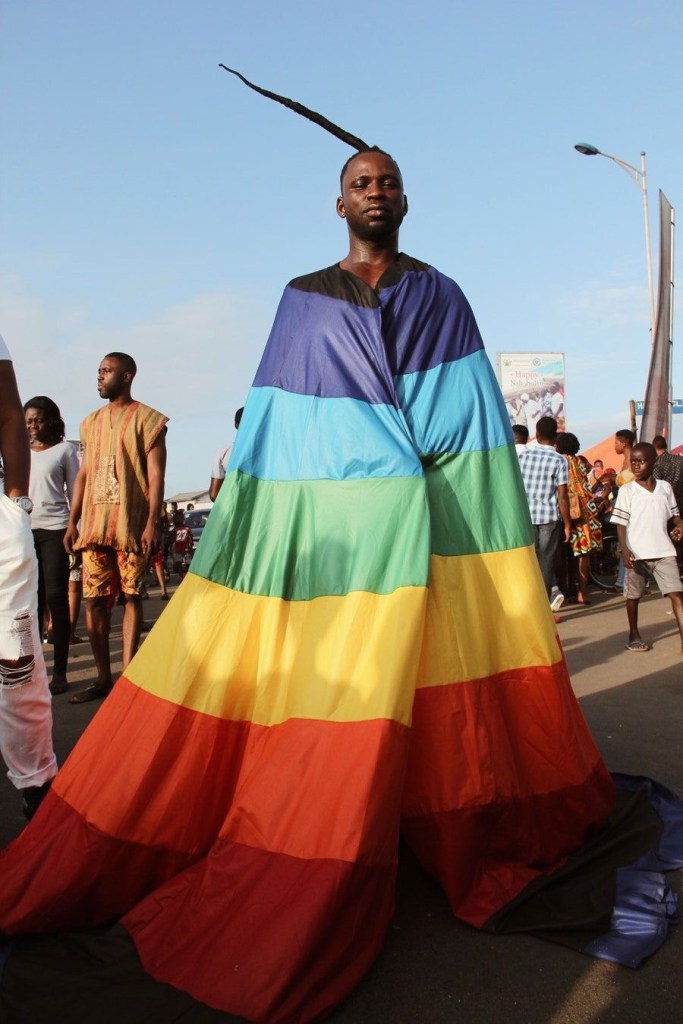
Every day, people engage in the ongoing struggle for basic human rights, a battle that appears to have no end in sight. Black people, women, and queer individuals bear a heavier burden in the fight for human rights. While African leaders once fought for freedom and independence from colonization, the limited freedoms we now have as Africans are often stripped away by those very leaders, who impose dehumanizing bills and laws onto us.
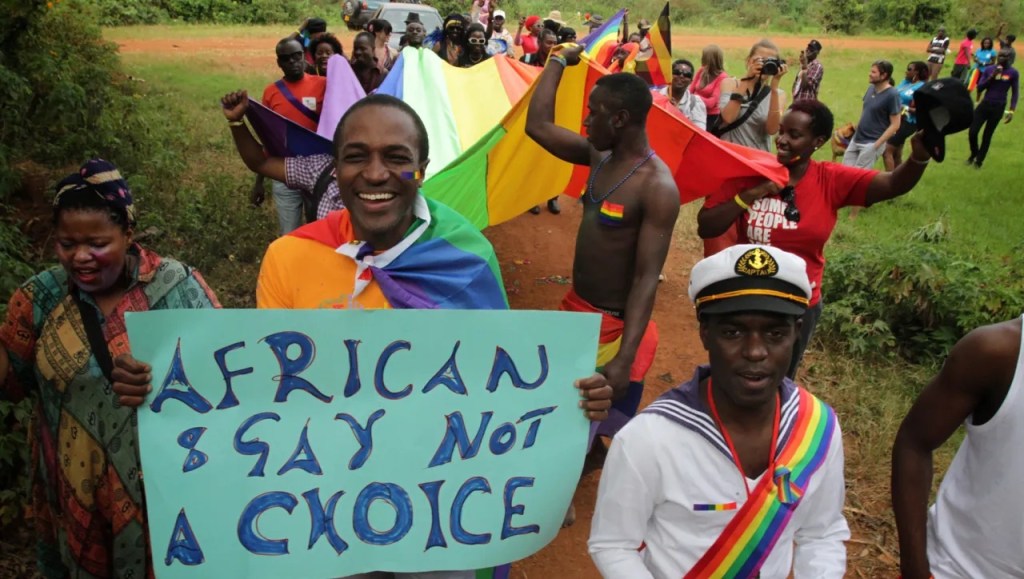
Being part of the LGBTQIA+ community in Africa can be challenging for many, due to political factors masked as “culture beliefs and traditions.” How is homosexuality un-African when our history entails King Mwanga II, who became the 31st king of Kabaka of Buganda (Uganda) at the age of 16, he ruled from 1868–1903 and was openly gay. Not forgetting Queen Nzingha Mbande of the Ndongo and Matamba kingdoms in present-day Angola, dubbed “female king” who many describe as a queer icon.

Out of the 54 countries in Africa, only in 23 countries, homosexuality is legal but not recognized, with the remaining 31 it is illegal and punishable by imprisonment. South Africa is the only country in the African continent that approves same-sex marriages. It has been legal in South Africa since the Civil Union Act, 2006 came into force on 30 November 2006 to be precise. 18 years later other African countries’ progress is shifting backwards strengthening anti-LGBT bills.
In the words of Pan-Africanist, Researcher, Fundraiser and LGBTQI activist, Awo Dufie, “FGM in Gambia, Anti-LGBT bills in Nigeria, Uganda, Ghana, Kenya… English-speaking Africa is seeing a sharp decline in anything human rights and I need a lot more people to pay attention.”
“The real question is do we really want to leave it in the hands of African politicians to determine your rights? Do you want Akuffo Addo to decide what constitutes speech and setting the standards for what the media in Ghana should not be discussing?” – Awo Dufie
 Culture Club - Magazine