
Embarking on a remarkable musical odyssey, Kujenga, the mesmerizing 7-piece black improvised music band is set to enchant Johannesburg and Durban with their first tour.
With very great inspiration rooted in black music and how it has served as both a musical journey and an education on the indigenous customs and people of this land , they have been able to create a harmonious blend that echoes the familiarity of home while offering a new yet infectious sound to listeners.
Fortunate are we to witness the emergence of such youthful brilliance, a force that consistently casts light on and celebrates the richness of black culture and importance of community.
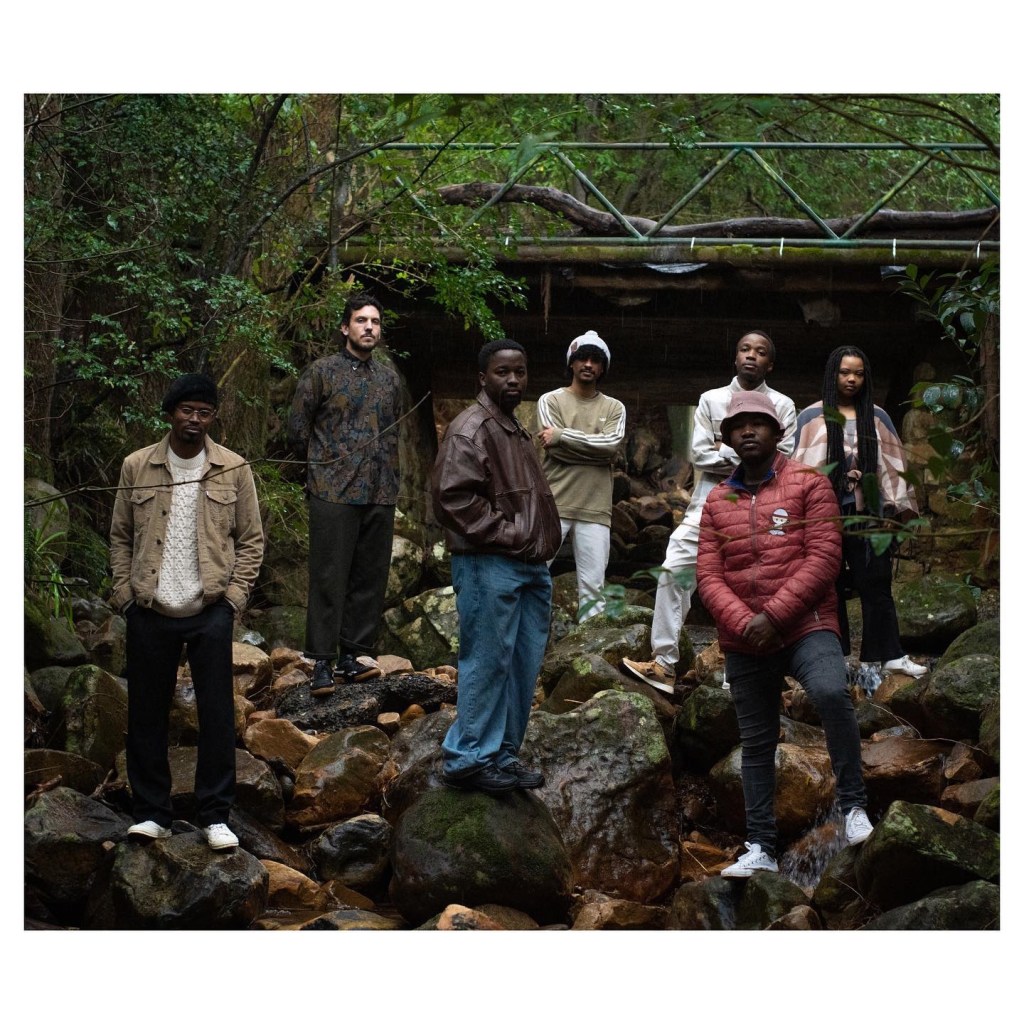
1. Can you introduce yourselves and tell us a bit about the origins of Kujenga and how the band came together?
We are a seven piece Black improvised music band from Cape Town. The band was formed in 2017 by bassist Zwide Ndwandwe, twin brother and keyboardist Owethu Ndwandwe, electric guitarist Thane Smith and drummer Riley van der Merwe. How we were brought together is by living and growing up in the same area of the Table View/Milnerton region.
We were budding musicians from high school, and we all went through the “school band to church band to session band” pipeline that a lot of musicians in the city go through. However, we knew we wanted to do something different to what’s commonly done, and we knew that the only way we could do that is by having a different and original sound.
Owethu started bringing material to practice and jam sessions, which was a new experience for us since our primary background was covering other people’s songs. That kept happening until we realised we had an album’s worth of music, which was Nationality (2019)
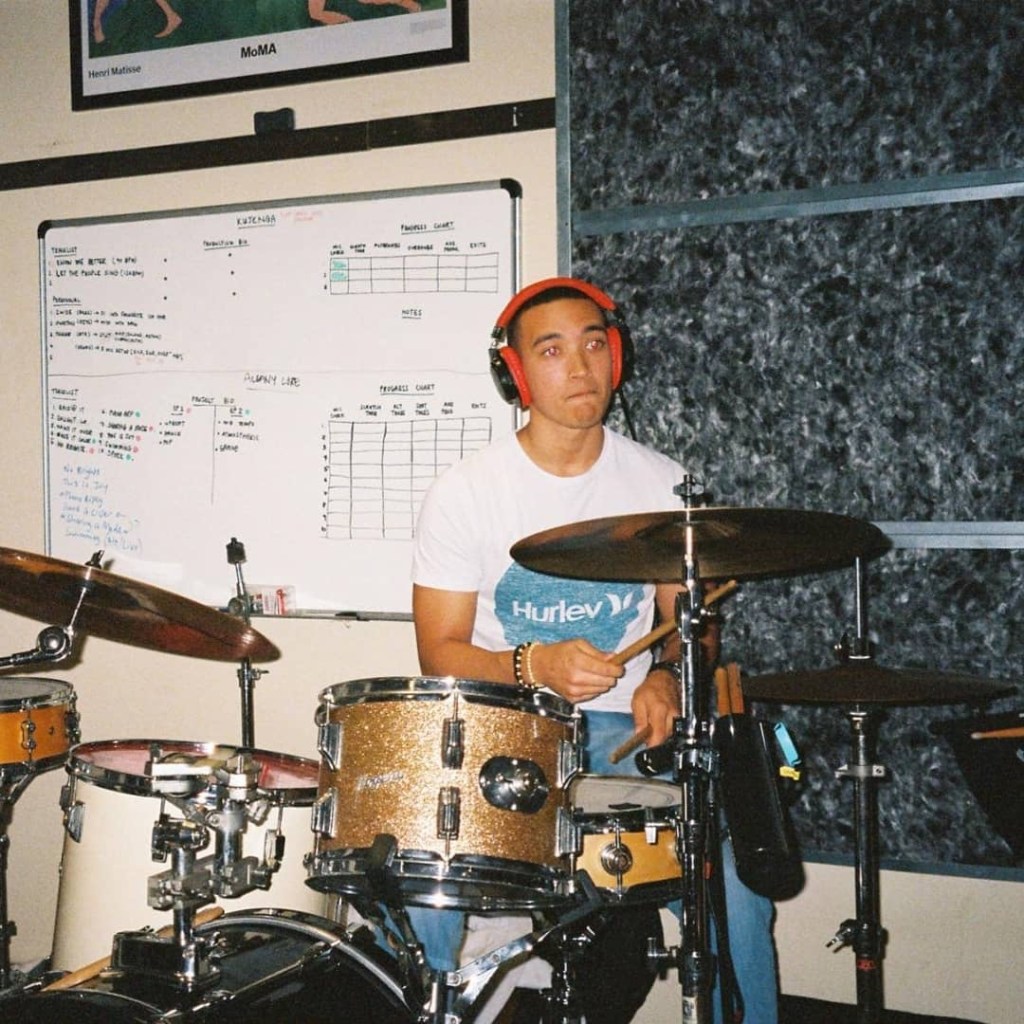
Riley left for London to further his studies after we finished the album, and we got Skhumbuzo Qamata to be our drummer from 2019. We then added a horn section during the latter stage of the covid era, in late 2021. The horn section includes Bonga Mosola on trumpet, Tamzyn Freeks on trombone and Matthew Rightford on tenor saxophone. This addition to the group came with a new sound and identity that has brought us to where we are today.
2. Kujenga’s music is often described as a fusion of various musical influences. Could you share some of the key inspirations that have shaped your unique sound?
Black music is the central source of influence. From mbaqanga, maskandi, marabi, Afrobeat, Hi-life, gospel, funk, neo soul. Black improvised music is the foundation. Some of the many influential musicians and groups include Jimmy Dludlu, Bheki Mseleku, Moses Molelekwa, Busi Mhlongo, Zim Ngqawana, The Muffinz, L8 Antique, Fela Kuti, Salief Keita, D’Angelo, Kokoroko and the many more we can list. Members of the band also have their own individual influences and inspirations that have determined the way we play, but the artists mentioned here have guided us as a collective
3. South Africa has a rich and diverse musical heritage. How does your cultural background and the country’s musical traditions influence your music?
Our cultural identities and the way it relates to our musical heritage is absolutely everything. To quote Siyabonga Mthembu (The Brother Moves On lead singer) what makes the South African tradition of black improvised music so special is that it is an indigenous knowledge system. The artists who we listed as influences in the previous answer were all cultural practitioners more than they were artists. The music that has shaped us is music that serves as an education on the indigenous customs and people of this land. Even as we (those of us in this band) are not traditionalists ourselves, we have a deep connection to our own respective cultures as well as a deep admiration of the several existing cultures originating from this land, due to musicians like Ta Zim Ngqawana whose music connects us to amaXhosa, or Mam’Busi Mhlongo who connects us with amaZulu, or Ntate Moses Molelekwa who connects us with Bapedi/Basotho , or Kyle Shepherd who connects us with the Khoi and Cape Malay people. All of this is to say that without the rich heritage located in the different provinces of this country, we as Kujenga would not exist.

4. The name “Kujenga” has significance; it means “to build” in Swahili. Could you tell us more about the meaning behind the name and how it reflects the band’s mission or vision?
We came across the word “kujenga” when we were deliberating what we should name the band. The moment we discovered it, we immediately knew that it was the one. We needed a name that would represent and emphasise our African identity, as Africans musicians who’ve been moulded by African music from the continent and diaspora, so having our band name come from the most widely spoken language in Africa was significant for us. The term kujenga does indeed mean “to build,” but what we learned was that the synonym for it is “to create.” In our bio, we mention that the “Kujenga” symbolises what we believe to be our calling as creators; to build meaningful works, experiences and connections with each and every listener. A definition we came across recently is that the word kujenga “symbolises the act of constructing and improving one’s life and community.” As an act with no management or record label or corporate support, we see Kujenga as a community driven iniative as much as it is a band. We are where we are today because of what was built by ourselves alongside the people in our lives, the people we make this music for.
5. Jazz is often seen as a genre that encourages improvisation and creative expression. How does improvisation play a role in your music, both in the studio and during live performances?
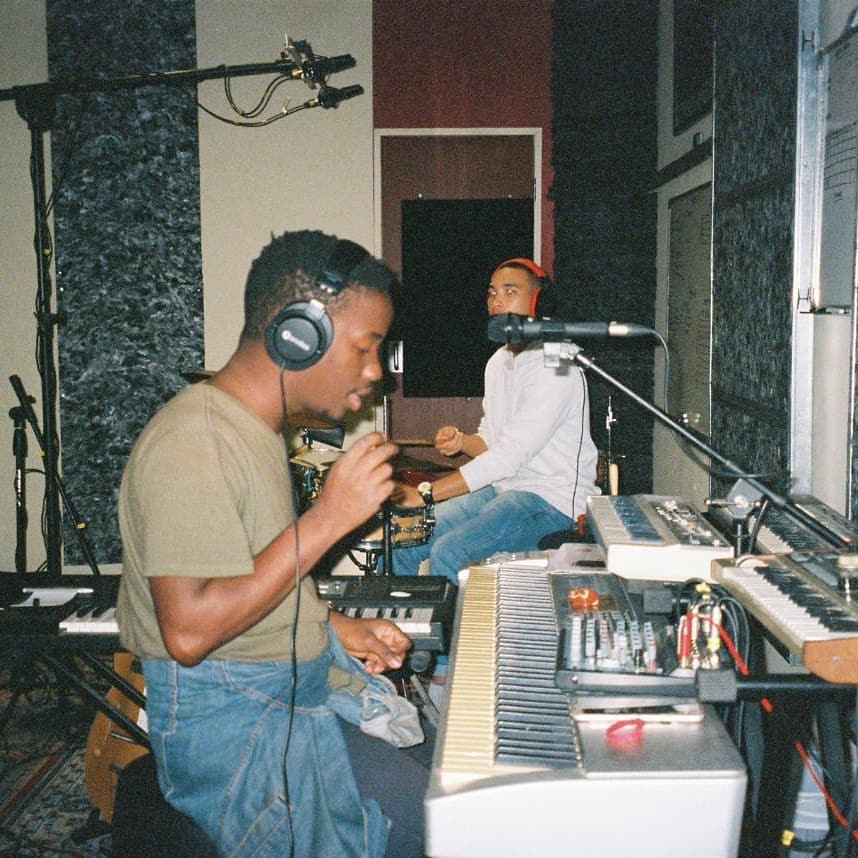
Improvisation is the basis of what we do. It’s why the term “black improvised music” is preferred over the word jazz; it speaks to both the political and sonic contexts of this music. One way improvisation plays a role in this music is in the solos which take place within the songs, where instrumentalists are given a chance to converse with the music and in that short segment of the track and none of us have any idea what’s going to come out, including the soloist themselves. This is the key to this sound, no matter how many times we perform something it’s never going to sound the same, even when the music has a structure, improvisation is the major component. The improvisation element of the band doesn’t only remain in the music, it’s part of the way we operate as a people. Our use of improvisation is linked to our adaptation skills in the midst of challenges. Being able to improvise is how we’ve survived, particularly as Black people who’ve had to live our lives under the conditions of constant threat and precarity. Our ability to improvise in life is mirrored in the ability to improvise in art. Bringing it back to music, we’ve had many setbacks in the studio or on stage that have forced us to figure out a particular response to the situation, and we’ve always seen through those setbacks because we’re improvisation based musicians who don’t rely on form or instruction.
6. In the ever-evolving music industry, how do you see Kujenga’s role and contribution? What do you hope to achieve or communicate through your music in the future?
This is a great question because we believe that whatever successes we will experience as a band will mean nothing if it isn’t a success for the community we belong to. Our wins are not ours alone. We hope to bring a change in our specific landscape of black band music. There was a time in this country where bands were blooming and flourishing and managed to capture popular imagination a bit more than they do now. We know that the economic regression the world has experienced has made it tough for bands to be a thing – in this day and age it costs too much to pay one person a decent amount for their labour, let alone four or seven people – and we also know that the advent of technology in music and the subsequent shift to more electronic based sounds has placed live instrumentation on the periphery. We’re doing this knowing the barriers and obstacles facing us, and we’re making a way bit by bit despite these oppositional circumstances. So one goal of ours is to be a part of a process that encourages more bands to be born. We’re doing what we’re doing to show others that it can be done. A second desired outcome from whatever contributions we can offer is for musicians, solo or groups, to understand that they can make this happen according to their own terms. We take pride in the little we’ve accomplished so far in this journey, knowing we’ve had to say no opportunities that didn’t align with our artistic purpose, even though it probably would have brought us short term material benefits. If any artist is said to have been motivated by us to do exactly what they want to do and not what the powers that be want artists to do, then that would be our biggest legacy.
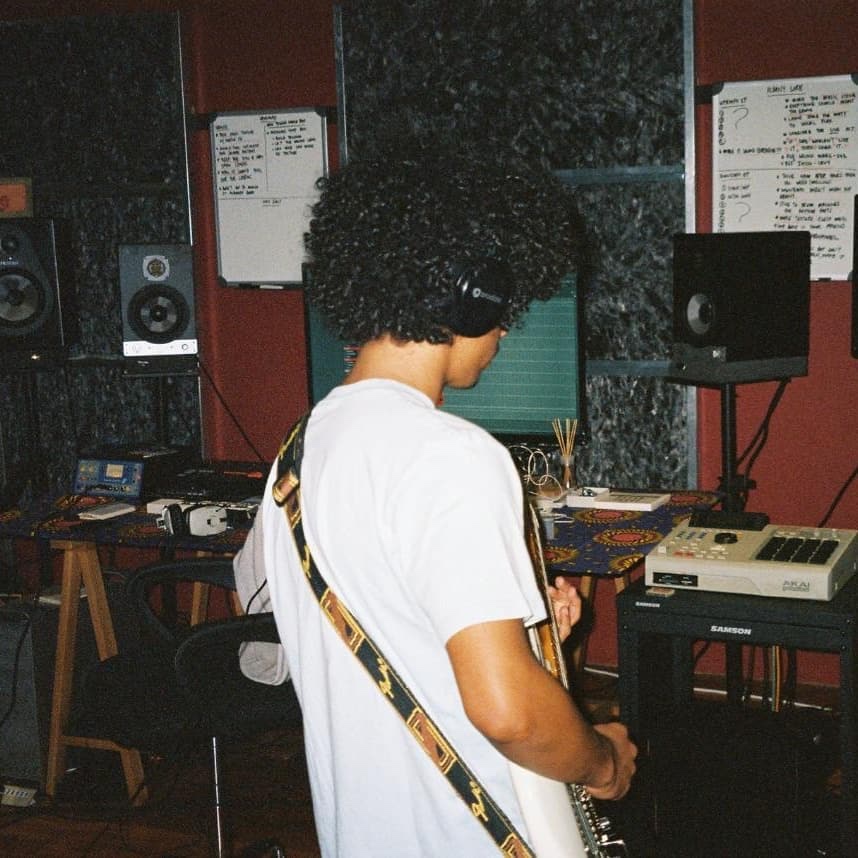
Their tour kicks off tonight, visit their social media platforms for additional information.
 Culture Club - Magazine